
A modern ceiling fan with light combines air circulation and everyday lighting in one fitting. It can improve room comfort while keeping the ceiling design clean and uncluttered.
For German homes, choosing the right model means considering room size, ceiling height, motor noise, LED performance and interior style. Whether you are furnishing a modern apartment, updating a bedroom or improving an open-plan living area, the right ceiling fan should balance appearance and functionality.
This guide explains what to look for when choosing a modern ceiling fan with light, including practical features and designs from Parrot Uncle Germany.
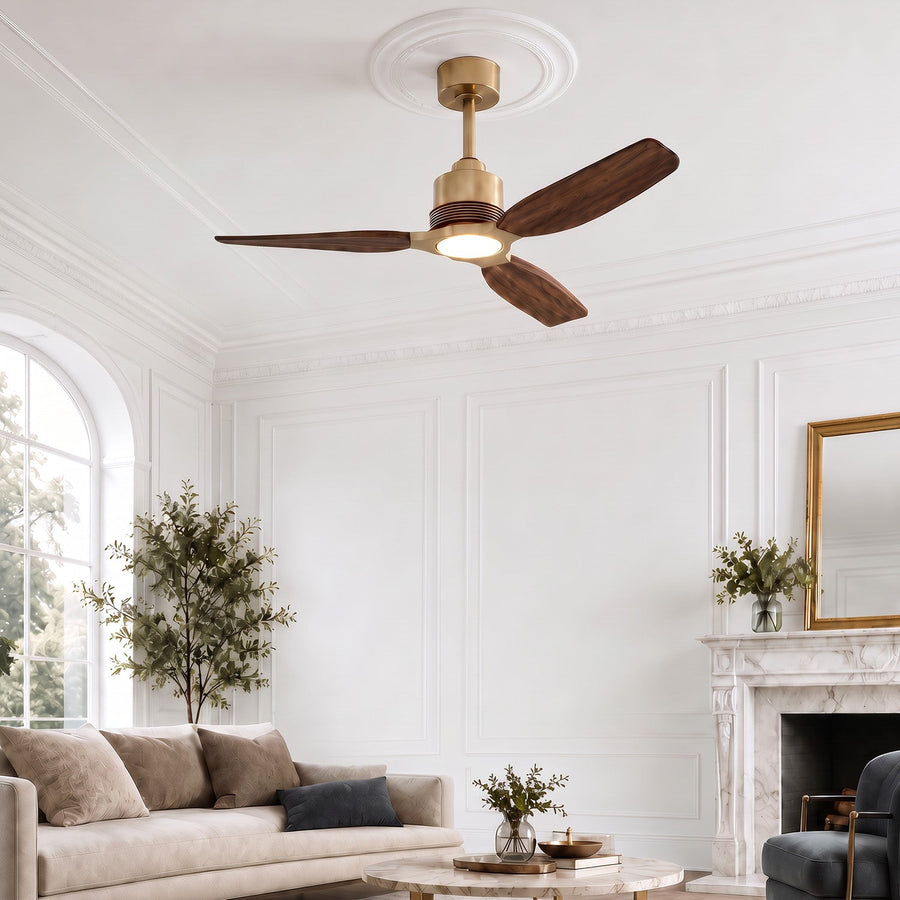
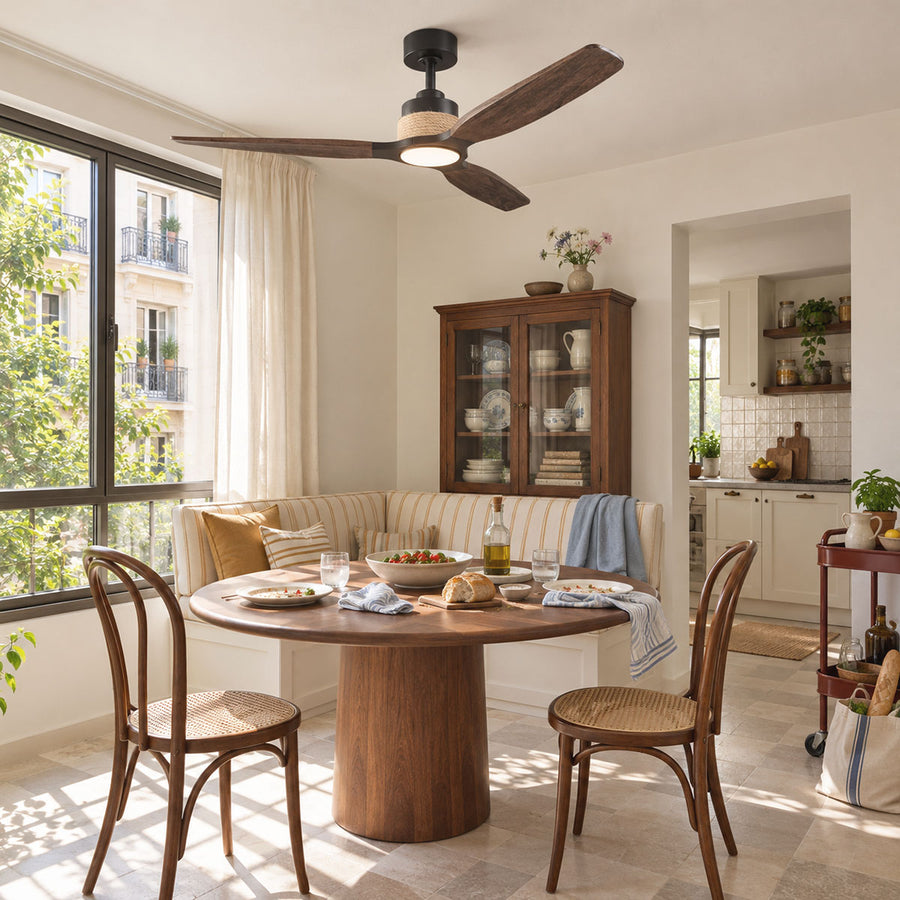

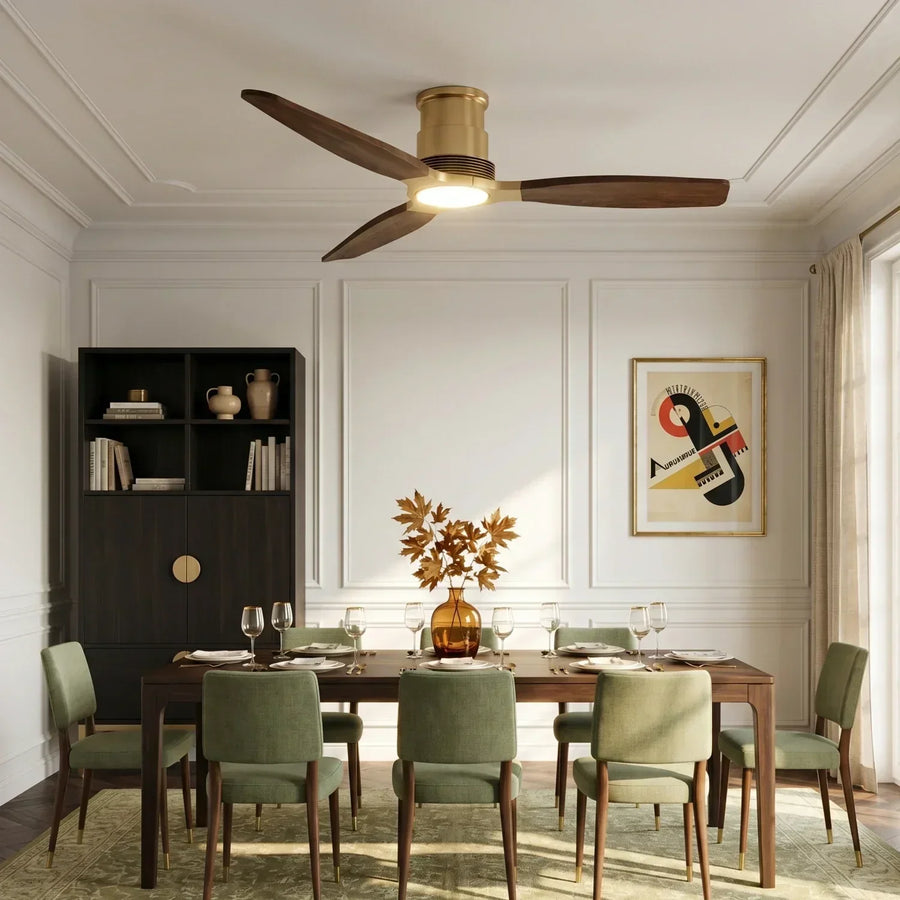
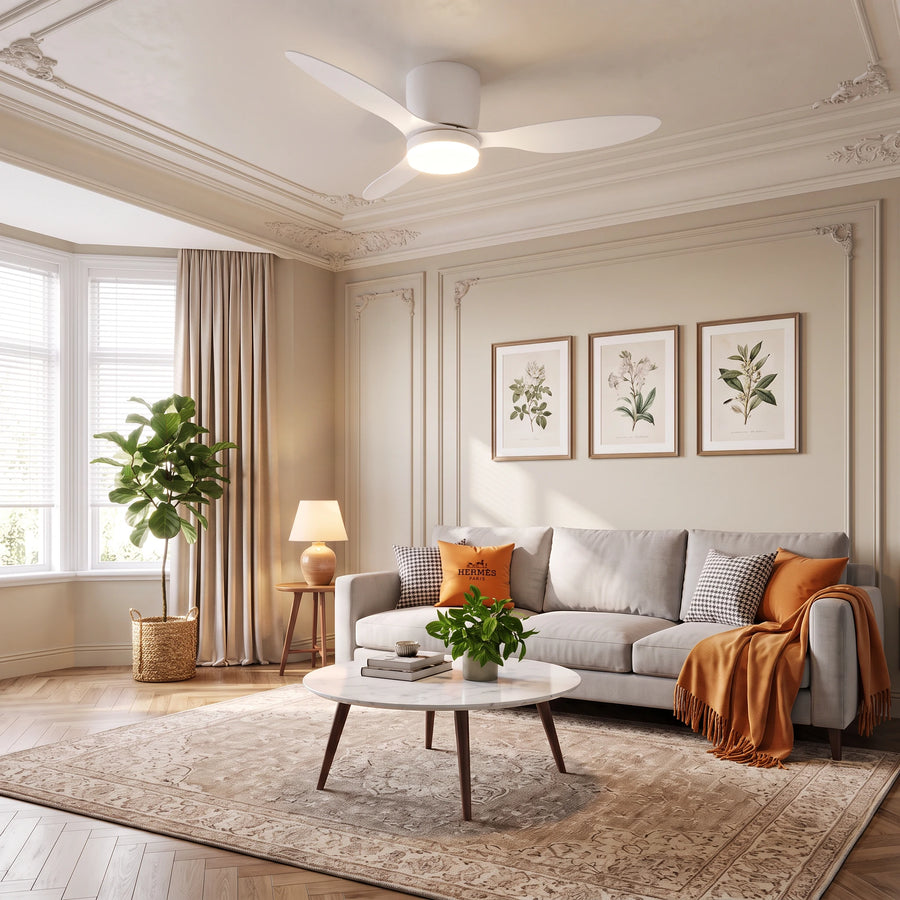
Choose a Fan That Suits Your Room
Different rooms have different requirements. Before choosing a design, consider how the space is used and what type of airflow and lighting you need.
|
Room |
Important Features |
|---|---|
|
Living Room |
Balanced airflow and adjustable LED lighting |
|
Bedroom |
Quiet motor, remote control and timer |
|
Dining Room |
Suitable fan diameter and comfortable airflow |
|
Home Office |
Quiet operation and adjustable lighting |
|
Open-Plan Area |
Wider airflow coverage |
Living Room: Combine Airflow and Lighting
The living room is often one of the most frequently used spaces in a German home. It may be used for watching television, reading, relaxing and spending time with family.
A modern ceiling fan with integrated LED lighting provides two useful functions without requiring separate ceiling fittings.
For a contemporary living room, consider a fan with a clean finish, adjustable speeds and a light that allows you to change the colour temperature. This gives you more control over the atmosphere throughout the day.
Bedroom: Focus on Quiet Operation
In a bedroom, noise is particularly important. A fan that produces noticeable motor noise or vibration may become distracting at night.
Look for a DC motor, several speed settings and a suitable low-speed mode. A remote control is also useful because you can adjust the fan without getting out of bed.
Warm white lighting is often a comfortable choice for bedrooms, especially when the ceiling fan is used as the main decorative light.
Dining Room and Open-Plan Spaces
In an open-plan living and dining area, a ceiling fan can help circulate air across the occupied space.
Consider the position of the dining table, sofa and other furniture before choosing the fan diameter. The fitting should provide useful airflow without interfering visually with pendant lights or other ceiling fixtures.
Find the Right Fan Size and Installation Style
Choosing the correct fan diameter helps balance airflow and appearance. A fan that is too small may not provide sufficient air circulation, while an oversized model can dominate a compact room.
Match the Fan Diameter to the Room
Start by measuring the floor area. Then compare the manufacturer's recommended room coverage with your measurements.
|
Room Size |
Suggested Fan Diameter |
|---|---|
|
Below 10 m2 |
76-106 cm |
|
10-15 m2 |
106-122 cm |
|
15-25 m2 |
122-132 cm |
|
Larger rooms |
132 cm or larger |
These are general recommendations rather than fixed rules. Actual suitability depends on the room layout, ceiling height, blade design and manufacturer's coverage specifications.
For a long room, one centrally positioned fan may not distribute air evenly across every area. Consider the furniture arrangement and where people spend most of their time.

Consider Retractable Ceiling Fans
Retractable ceiling fans have blades that extend when operating and retract when switched off. This creates a compact, chandelier-like appearance when the airflow function is not being used.
They are particularly suitable for modern bedrooms, smaller living rooms and apartments where a traditional fan may look too prominent.
However, check the full diameter when the blades are extended, not just the dimensions when the fan is switched off. You should also consider the clearance required around the blades.
Check Ceiling Height
For rooms with low ceilings, consider a flush or close-to-ceiling design. Higher ceilings may allow a downrod installation, which positions the blades further from the ceiling.
Before purchasing, check the total installed height, blade clearance and mounting requirements. The ceiling structure must also be suitable for supporting the fan safely.
Match the Fan with Your Interior Style
A ceiling fan is usually positioned in the centre of a room, making its appearance an important part of the interior.
Modern ceiling fans are available in different colours, blade materials and shapes. The best choice is one that complements your existing furniture rather than competing with it.
|
Interior Style |
Recommended Design |
|---|---|
|
Modern Minimalist |
White, black and clean shapes |
|
Scandinavian |
Light wood and simple blades |
|
Industrial |
Matte black and metal details |
|
Modern Classic |
Brushed metal finishes |
|
Natural Contemporary |
Wood finishes and warm lighting |

Minimalist and Contemporary Interiors
Minimalist interiors often use simple furniture, neutral colours and uncluttered surfaces. A ceiling fan with a slim motor housing, clean blade design and integrated LED light can fit naturally into this setting.
White, matte black and brushed metal finishes are versatile choices. They can work with white ceilings, grey walls, natural flooring and modern furniture.
Scandinavian and Natural Interiors
Scandinavian-inspired interiors often combine light colours, natural materials and simple shapes.
A ceiling fan with wood-effect or solid wood blades can introduce warmth without making the ceiling look too busy.
Light wood finishes work particularly well with oak furniture, cream walls and soft fabrics. Darker wood tones can create contrast in rooms with lighter furniture.
Industrial and Modern Classic Interiors
For industrial interiors, consider darker finishes, visible metal details and simple blade shapes. A matte black ceiling fan can complement exposed concrete, dark furniture and metal fittings.
For a more classic appearance, look for balanced proportions and finishes that match existing lighting and furniture.
Check the Integrated LED Lighting
Integrated LED lighting combines two functions in one ceiling fitting and reduces the need for a separate central ceiling light.
When comparing models, look at lumen output rather than wattage alone. Lumens indicate brightness, while watts measure electricity consumption.

Choose the Right Colour Temperature
Colour temperature is measured in Kelvin and affects how the light looks.
|
Colour Temperature |
Appearance |
Suitable Rooms |
|---|---|---|
|
2700K-3000K |
Warm white |
Bedrooms and relaxing areas |
|
3500K-4000K |
Neutral white |
Living rooms and dining areas |
|
5000K-6000K |
Cool white |
Work areas |
Warm white lighting creates a relaxed atmosphere, while neutral white can provide a cleaner and more functional appearance.
Some modern ceiling fans offer several selectable colour temperatures. This is useful if you want to use the same room for different activities.
For example, you may prefer warm lighting in the evening and a more neutral setting during the day.
Consider Dimming and Lighting Memory
A dimmable light gives you more control over brightness. This can be useful in a living room where lighting requirements change throughout the day.
Brighter illumination may be useful when reading or cleaning, while a lower setting can create a more relaxed atmosphere.
A memory function is another useful feature. Depending on the model, it can retain selected lighting settings after the fan is switched off.
Before purchasing, check whether dimming is supported by the product and whether the supplied remote control provides the required adjustments.
Look for a Quiet and Efficient Motor
The motor affects airflow, noise and electricity consumption. It is worth comparing motor specifications rather than choosing a fan based only on its appearance.

Why Consider a DC Motor?
Many modern ceiling fans use DC motors because they can offer multiple speed settings and relatively low motor power.
They also allow users to adjust airflow more precisely. This is particularly useful when you want gentle air circulation at night rather than strong airflow.
However, a DC motor does not automatically make every fan quiet or energy efficient. Actual performance depends on the motor design, blade shape, construction and operating speed.
Check the Noise Level
Noise ratings can help you compare different ceiling fans, especially when shopping for a bedroom model.
A lower stated noise level generally indicates quieter operation under the manufacturer's test conditions. However, installation quality and ceiling structure can also affect the sound you hear.
Loose mounting hardware, an uneven ceiling connection or unbalanced blades can create unwanted vibration.
A properly installed fan should operate smoothly without noticeable rattling.
Look for Features That Make Everyday Use Easier
Modern ceiling fans often include functions that improve convenience throughout the year. Consider which features match your daily routine.
Summer and Winter Operation
Many reversible ceiling fans can change their direction of rotation.
In summer, the usual operating direction creates a downward airflow that produces a cooling sensation on the skin.
In winter, some models can operate in reverse at a low speed to help circulate warmer air that collects near the ceiling.
This does not generate additional heat or replace your heating system. It helps distribute existing warm air more evenly.
Always follow the manufacturer's instructions for changing the fan direction.
Remote Control and Timer
A remote control is particularly useful when the fan and light have several settings.
You can adjust airflow, change the light temperature and turn the fitting off without reaching a wall switch.
A timer is another practical feature, especially in bedrooms. It allows the fan to switch off after a selected period instead of running throughout the night.
Check Installation and Maintenance Requirements
Before purchasing, check whether the fan is suitable for your ceiling structure and electrical connection.
Some German homes have high ceilings, while modern apartments may have limited installation space. Sloped ceilings also require special attention because not every fan supports angled mounting.
Fixed electrical installation work should be carried out by a qualified electrician in accordance with applicable German electrical requirements.
For maintenance, clean the blades and motor housing regularly with a soft cloth. Switch off the power before cleaning and follow the manufacturer's instructions.
If you notice unusual vibration or rattling, stop using the fan and have the mounting and blade balance checked.
Modern Ceiling Fans with Light from Parrot Uncle Germany
Parrot Uncle offers modern ceiling fans with integrated LED lighting, including retractable and traditional blade designs.
Luzia 106 cm Retractable Ceiling Fan with LED Light
The Luzia features three retractable blades, a DC motor and integrated LED lighting. It offers six speed settings, remote control and three selectable colour temperatures of 3000K, 4000K and 6000K. Its compact appearance makes it suitable for modern bedrooms and smaller living spaces.

Taran 132 cm Ceiling Fan with LED Light
The Taran features a 132 cm diameter, three blades and a DC motor. Its integrated LED light produces 3369 lumens with three colour temperature options. Six speed settings, remote control and reversible operation make it a practical option for living rooms and bedrooms.

Final Thoughts
Finding the right modern ceiling fan with light means balancing appearance, airflow, lighting and installation requirements.
Consider your room size, ceiling height and daily needs before comparing motor performance and LED features. Choose a finish that complements your furniture and consider useful features such as remote control, reversible operation and adjustable lighting.
With the right combination, a ceiling fan with integrated light can provide practical comfort while becoming an attractive part of your German home.